As the first half of 2026 comes to a close, investors have once again been reminded that markets rarely move in a straight line. Geopolitical tensions, uncertainty surrounding monetary policy, elevated technology valuations driven by artificial intelligence, and persistent concerns over inflation created an environment filled with caution. Yet despite these challenges, diversified investors who maintained a long-term perspective were rewarded.
For commercial real estate investors, the message is equally relevant. Market sentiment may fluctuate with each headline, but property values, leasing fundamentals, and long-term demographic and economic trends continue to drive investment performance. Rather than reacting to short-term volatility, investors should focus on positioning their portfolios for sustainable growth.
Markets have proven to be more resilient than expected. Transaction activity improved compared to recent years, lenders became increasingly selective but more willing to finance quality assets, and buyers began re-entering the market with disciplined underwriting. While pricing adjustments continued across certain sectors, the market increasingly rewarded well-located, income-producing properties with strong fundamentals. The result has been a market defined less by fear and more by selectivity.
Diversification Matters More Than Ever
If there's one lesson from the first half of 2026 worth carrying into the second, it's this: don't let concentration in one asset class do your portfolio's thinking for you. We'd encourage every investor, regardless of how well a single property type has performed, to take a hard look at how balanced their holdings really are.
Public equity markets have become increasingly concentrated in technology companies, particularly those benefiting from artificial intelligence. With several high-profile IPOs expected in the coming months, this concentration could become even greater. Commercial real estate offers investors a natural way to diversify beyond public market volatility, and we believe now is an opportune time to act on it rather than wait for the next correction to force the issue.
We see this pattern play out regularly with our own clients. One long-time investor built a portfolio almost entirely around suburban office holdings; after years of navigating tenant turnover and softening demand, they're now actively allocating into industrial and medical office to smooth out their income stream. Another client who spent two decades exclusively in multifamily recently added a neighborhood retail center to the mix, telling us they wanted exposure to a sector less tied to interest-rate-sensitive renters. We've also worked with a family office that concentrated almost all its capital in retail strip centers for years; this year they made their first industrial acquisition, citing the sector's steadier leasing fundamentals as a reason to branch out. In each case, the shift wasn't reactive, it was a deliberate move toward resilience, and it's a pattern we'd suggest more investors consider before market conditions make the decision for them.
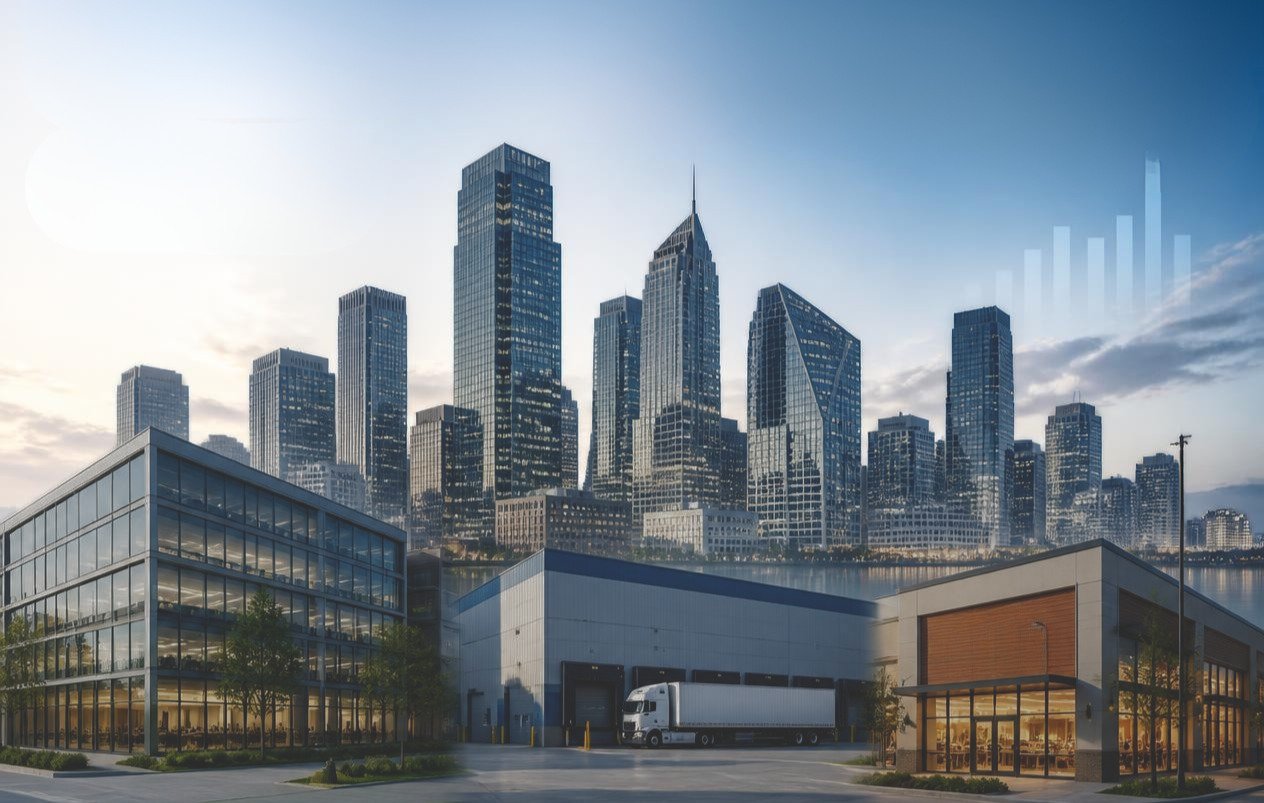
Different property sectors often respond differently to economic conditions, which is exactly why spreading capital across them tends to smooth returns over a full cycle:
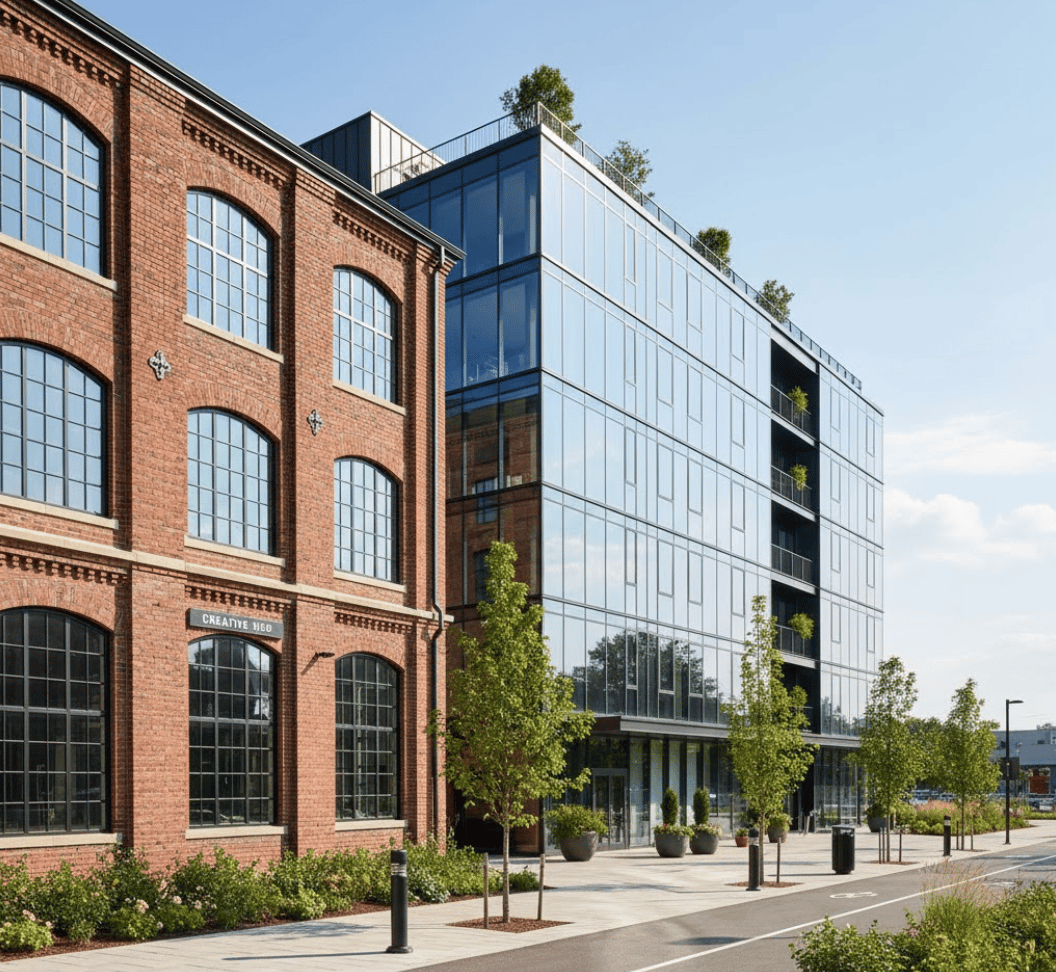
Rather than concentrating capital in a single asset class or property type, we'd recommend investors continue building balanced portfolios that can perform across varying economic cycles. If your holdings are still weighted heavily toward one sector, this may be a good moment to explore what a second or third property type could add to your risk profile. Investors who are finding success are not simply buying and holding, they are actively repositioning assets, identifying underutilized properties, exploring redevelopment opportunities, and responding to evolving tenant preferences. The ability to recognize changing market dynamics and respond proactively has become one of the industry's strongest competitive advantages, and it's a conversation worth having sooner rather than later.
The first half of 2026 reinforced an important investment principle: uncertainty does not necessarily prevent opportunity. Commercial real estate remains a long-term asset class built on income generation, tangible value, and local market fundamentals.
While headlines may drive short-term sentiment, disciplined investors who remain diversified, adaptable, and focused on fundamentals are often best positioned to capitalize on opportunities as market conditions continue to evolve. As Connecticut's commercial real estate market enters the second half of 2026, investors who balance patience with strategic action, and who are willing to look beyond the asset class that got them here, will likely be best equipped to navigate whatever comes next.